Head-On Collision Attorney in Palm Beach Gardens, FL
A lawyer who gets meaningful results for crash victims in Palm Beach Gardens
Head-on collisions are among the most devastating types of car accidents in Palm Beach Gardens, often resulting in severe injuries and fatalities. The sheer force of two vehicles colliding head-on can cause extensive damage and catastrophic harm to drivers and passengers. The impact of such accidents can be life-altering, requiring extensive medical treatment, rehabilitation, and long-term care.
In addition to physical injuries, head-on collisions can also have profound emotional and financial repercussions for victims and their families. Coping with the aftermath of such a traumatic event can be overwhelming, but seeking legal assistance from an experienced head-on collision lawyer can help victims pursue the compensation they need to cover medical expenses, lost wages, pain and suffering, and other related damages.
If you or a loved one has been injured in a head-on collision in Palm Beach Gardens, it's essential to seek the guidance of an experienced attorney who can protect your rights and advocate on your behalf. At The Law Offices of Casey D. Shomo, P.A. in Palm Beach Gardens, Florida, Mr. Shomo and his dedicated legal team can protect your rights and help you demand the justice and financial compensation you deserve. Contact us today to discuss your case and explore your potential legal options.
“I can’t say enough about my experience working with Casey. My family suffered a sad, preventable tragedy. Casey helped guide us through the aftermath of that tragedy, including the hospitals and the insurance companies involved. He ensured that we fully understood all our options and what each would entail for our family. Above all, Casey was truly empathetic and never sought to have us pursue any resolution that wasn’t in my family’s best interest. We truly appreciated his practical and caring approach.” - Vincent D.,⭐⭐⭐⭐⭐
Average Google Rating: 5/5 stars, 45 reviews
Head-On Collision FAQs
- What is a head-on collision?
- Why do head-on collisions happen?
- What are some common head-on collision injuries in Palm Beach Gardens?
- What should you do after a head-on collision?
- What is the average head-on collision settlement?
- Where do head-on collisions most often occur in Palm Beach Gardens?
- How is liability determined in Florida head-on crashes where both drivers claim the other crossed the center line?
- Do head-on collisions involving out-of-state drivers present unique legal issues in Palm Beach Gardens?
- How do wrongful death claims work after a fatal head-on crash on roads like US-441 or SR-80?
What is a head-on collision?
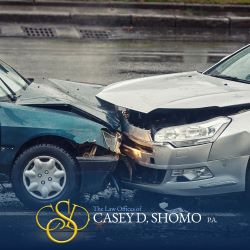
A head-on collision is a type of car accident that occurs when two vehicles traveling in opposite directions make a direct impact with their front ends. This type of car crash typically involves a high level of force, often leading to severe injuries and extensive vehicle damage.
Head-on collisions can happen anywhere but tend to occur more on narrow roads, intersections, or during attempts to overtake another vehicle. They are known to be quite dangerous incidents on the road, resulting in life-threatening injuries.
Why do head-on collisions happen?
- Speeding: Speeding isn't just a violation of traffic rules; it significantly elevates the risk of head-on collisions. When drivers exceed speed limits, the reduced reaction time becomes a critical factor. This heightens the likelihood of inadvertently crossing into oncoming traffic, amplifying the severity of resulting injuries and damages.
- Distracted driving: Distractions behind the wheel pose a serious threat to road safety. Whether it's texting, adjusting controls, or engaging in other activities that divert attention, drivers may find themselves unintentionally veering into oncoming lanes. This scenario underscores the increased risk of head-on collisions associated with distracted driving.
- Drunk driving: Driving under the influence of alcohol compromises a driver's judgment and reaction time. Impaired control over the vehicle often leads to inadvertent lane departure and an elevated probability of head-on collisions. The consequences of such collisions, frequently severe and fatal, emphasize the importance of avoiding impaired driving.
- Reckless driving: Reckless driving behaviors, including aggressive overtaking, tailgating, and disregard for traffic regulations, significantly contribute to the occurrence of head-on collisions. The erratic nature of such behaviors not only diminishes a driver's control but also creates perilous conditions on the road, substantially increasing the likelihood of frontal collisions with severe consequences.
What are some common head-on collision injuries in Palm Beach Gardens?
- Whiplash: This common neck injury occurs due to the rapid back-and-forth movement of the head upon impact, often resulting in strain or sprain to the neck muscles and ligaments.
- Head and brain injuries: Head-on collisions can lead to concussions, traumatic brain injuries (TBIs), and skull fractures, which may have long-term consequences for cognitive function and overall well-being.
- Chest and abdominal injuries: The force of impact from a head-on collision can cause broken ribs, internal bleeding, and damage to vital organs such as the lungs, liver, or spleen, necessitating immediate medical attention.
- Spinal cord injuries: Injuries to the spinal cord can result in paralysis, loss of sensation, or impaired motor function, significantly impacting a victim's quality of life and independence.
- Lower extremity injuries: The legs and hips are vulnerable to fractures, dislocations, and soft tissue damage in head-on collisions, often requiring surgery and rehabilitation to restore function and mobility.
Each of these injuries can have profound physical, emotional, and financial repercussions for victims and their families. Seeking prompt medical attention and legal representation is crucial to ensure proper treatment and pursue compensation for damages incurred.
What should you do after a head-on collision?
- Ensure safety: Check for injuries and call emergency services immediately. Move to a safe location, if necessary, to avoid further danger.
- Notify law enforcement: Report the accident to the police and obtain a copy of the accident report. Provide accurate general information and cooperate with the responding officers.
- Exchange contact information: Exchange names, contact details, and insurance information with the other driver(s) involved.
- Document the scene: Take pictures of the accident scene, including vehicle damage, injuries, license plates, and any relevant road signs.
- Get witness information: Collect contact information from any witnesses who saw the collision.
- Seek medical attention: Even if you feel fine, seek medical attention promptly. Injuries may not be immediately apparent. Remember to keep a record of medical assessments, treatments, and prescriptions.
- Contact insurance: Inform your insurance company about the collision as soon as possible.
- Consult with an attorney: Reach out to a head-on collision lawyer to understand your rights and explore legal options.
What is the average head-on collision settlement?
Determining the average settlement for a head-on collision is challenging as there is no one-size-fits-all figure. Each accident is unique, influenced by factors such as the severity of injuries, fault determination, and the specific details surrounding the collision. Settlements are tailored to the individual details of each case. Compensation typically considers various elements, and here are some damages for which you may seek compensation:
- Medical bills (present and future): Reimbursement for current medical expenses incurred due to the head-on collision, as well as estimated future medical costs related to ongoing treatment or rehabilitation.
- Lost wages: Compensation for income lost during the recovery period if injuries prevent you from working. This may include both immediate lost wages and anticipated future earnings if the injuries lead to long-term or permanent disability.
- Pain and suffering: Non-economic damages addressing the physical and emotional distress caused by the head-on collision. This may include compensation for pain, anxiety, depression, and any reduction in the quality of life resulting from the accident.
Where do head-on collisions most often occur in Palm Beach Gardens?
Head-on collisions are among the most dangerous types of crashes and often happen in areas with poor visibility, lack of physical barriers, or high-speed traffic moving in opposite directions. In Palm Beach Gardens, certain roads are known to be more prone to these types of crashes because of how they are designed and used. Identifying these locations can help clarify the circumstances of a crash and may support a legal case if road design or signage contributed to the incident. Common head-on crash hotspots in Palm Beach Gardens include:
- State Road 80 (Southern Boulevard): Long stretches without dividers and frequent lane changes make this road a common location for high-speed head-on crashes.
- Beeline Highway: This road connects West Palm Beach to more rural areas and is known for long, straight sections that can lead to dangerous passing attempts.
- Okeechobee Boulevard west of the Turnpike: Speeding and impaired driving are often factors in serious crashes on this heavily traveled corridor.
- U.S. Highway 441 and State Road 7: These parallel roads see head-on collisions where drivers lose control or drift into opposing lanes during heavy traffic.
- Rural roads near Belle Glade and Loxahatchee: Limited lighting, narrow lanes, and driver fatigue frequently contribute to deadly crashes in these regions.
If a crash occurred in one of these areas, a lawyer with local experience may be able to identify patterns, road conditions, or past incident data that could support your case.
How is liability determined in Florida head-on crashes where both drivers claim the other crossed the center line?
In Florida, head-on collision cases where both drivers blame each other for crossing the center line are particularly challenging. Liability depends on specific physical evidence and expert interpretation, not just driver statements. Florida’s comparative fault rules allow you to recover compensation even if you are found to be partially at fault, but the strength of your evidence can affect the amount. Key factors used to determine fault in these cases include:
- Crash scene evidence: Police, investigators, or reconstruction experts look at debris, skid marks, vehicle angles, and impact zones to identify which vehicle left its lane.
- Vehicle damage analysis: The pattern of damage can indicate the direction of movement and point of contact.
- Witness statements: Independent witnesses can often clarify which car crossed the line or made a last-second maneuver.
- Dashcam or traffic camera footage: These can offer direct visual proof that supports or contradicts the claims made by each driver.
- Toxicology reports and driver behavior: Impairment, distraction, or fatigue often plays a role in head-on collisions and can help shift liability.
- Black box data: Event data recorders from the vehicles may show speed, braking, and steering inputs leading up to the crash.
Because insurance companies will often try to reduce their exposure by blaming both parties equally, having a lawyer on your side can help ensure that the available evidence is preserved, interpreted properly, and used to support your version of events.
Do head-on collisions involving out-of-state drivers present unique legal issues in Palm Beach Gardens?
Yes, head-on collisions involving out-of-state drivers can raise complex issues regarding insurance coverage, jurisdiction, and which state’s laws apply. While Florida law governs crashes that occur within the state, an out-of-state driver’s liability limits, PIP exclusions, or unfamiliarity with Florida’s no-fault system can complicate claims. For example, a driver from Georgia or New York might carry different minimum insurance requirements, and their policy may conflict with Florida’s thresholds. A local attorney can help resolve these conflicts, coordinate multi-jurisdictional insurance claims, and protect your rights under Florida law.
How do wrongful death claims work after a fatal head-on crash on roads like US-441 or SR-80?
Wrongful death claims in Florida are filed by the personal representative of the deceased’s estate and allow surviving family members to seek compensation for losses such as funeral costs, medical bills, and loss of companionship. After fatal crashes on major roads like US-441 or State Road 80, investigators often look at vehicle speed, road design, impairment, and distraction to determine liability. These roads are known for rural high-speed stretches where fatal head-on collisions are tragically common. An attorney can help secure crucial crash data, hold the negligent driver accountable, and make sure the family receives everything the law allows.
How a Palm Beach Gardens head-on collision lawyer can help
If you were injured or a loved one died in a head-on collision in Palm Beach Gardens, our law firm can assist you in navigating the legal process and seeking the compensation you deserve. With extensive experience in handling head-on collision cases, Mr. Shomo and his team understand the complexities involved and are dedicated to providing compassionate and effective legal representation to our clients. By working closely with you, we will fight tirelessly to hold the responsible parties accountable and secure the financial recovery you need to cover medical expenses, lost wages, and other damages. Don't hesitate to contact The Law Offices of Casey D. Shomo, P.A. for trusted legal guidance and support during this challenging time.