
A quiet walk across the street can turn into a life-altering event in the blink of an eye. When a driver looks down at a phone or presses the gas instead of the brake, there is nothing between a pedestrian’s body and the full force of that vehicle.
The pedestrian accident lawyers at The Law Offices of Casey D. Shomo, P.A. have seen over and over how, in those split seconds, the brain often pays the highest price. Unlike drivers wrapped in metal and airbags, people on foot have nothing to soften the blow when a car closes the distance.
How Vehicle Impacts Injure a Pedestrian’s Brain
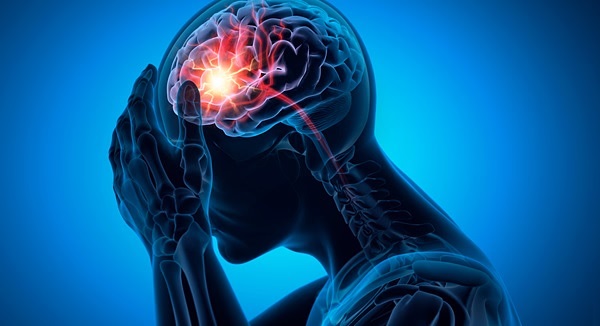
When a vehicle strikes a pedestrian, the impact usually happens in stages rather than a single blow. The front of the vehicle may hit the legs and hips first, the upper body then swings onto the hood or windshield, and finally the person is thrown to the ground. In each of those moments, the head can be struck directly or whipped so violently that the brain slams into the inside of the skull, much like a fragile object rattling around inside a jar.
Even if the outside of the head looks relatively unmarked, the brain can be bruised, stretched, or sheared on the inside. For pedestrians, that is the reality of being fully exposed to the mass and speed of a moving vehicle.
Some of the most common brain injuries we see in vehicle-pedestrian crashes include:
- Concussions and mild traumatic brain injuries: Functional changes in how the brain works that may not show up on scans, but cause headaches, foggy thinking, memory lapses, and mood changes that interfere with daily life.
- Brain contusions: Bruised brain tissue where it strikes the inside of the skull, which can affect speech, movement, or behavior depending on which area of the brain is involved.
- Subdural and epidural hematomas: Collections of blood inside the skull that can build pressure on the brain, turning a “watch and wait” situation into a medical emergency if not caught early.
- Diffuse axonal injury: Widespread microscopic damage to nerve fibers from violent rotational forces, often associated with loss of consciousness and significant long-term cognitive and physical problems.
- Penetrating brain injuries: Severe trauma when glass or metal pierces the skull, leaving a track of damage along the path of the fragment and creating a high risk of infection and seizures.
Why Pedestrian Brain Injuries Are Often So Severe
One reason pedestrian brain injuries are so serious is that the head often experiences more than one impact in the same crash. A person’s skull may strike the hood, then the windshield, and finally the pavement. Each impact can create new areas of damage or worsen existing ones.
Nighttime, poor lighting, and bad weather make things worse, because drivers often fail to slow down until the last moment, preserving more of the crash energy that is ultimately transferred into the pedestrian’s body.
Certain circumstances raise the risk that a pedestrian will suffer a severe brain injury when a driver hits them:
- Higher impact speeds: Greater speed means more force, which leads to more violent head motion and a higher likelihood of fractures and brain bleeding.
- Larger vehicles and commercial trucks: Taller, heavier vehicles strike vital areas higher on the body and often throw pedestrians a greater distance, increasing head impact risk.
- Older adults or people on blood thinners: Fragile blood vessels and anticoagulant medications increase the chance that even a small bleed in or around the brain will become dangerous.
- Children as pedestrians: Shorter stature and developing brains mean a child’s head and torso are closer to bumpers and hoods and more vulnerable to long-term damage.
- Lack of immediate medical evaluation: Leaving the scene without being evaluated, scanned, or monitored allows swelling or bleeding to progress unseen until symptoms become critical.
For example, we often see cases where an older pedestrian is struck at what looks like a modest speed, feels shaken but declines medical attention, and only later develops worsening headache and confusion at home. By the time family insists on an emergency visit, imaging reveals a subdural hematoma that has been slowly building pressure on the brain since the moment of impact.
How Life Changes After a Pedestrian Brain Injury
The damage from a pedestrian brain injury doesn’t stop at the hospital door. Survivors often grapple with a mix of cognitive, emotional, and physical symptoms that ripple through every part of their lives. Difficulties with memory, attention, processing speed, and planning are common after moderate and even so-called mild TBI, and these deficits can persist for months or years.
On a practical level, that can mean missing appointments, struggling to follow multi-step instructions, or feeling overwhelmed by tasks that used to be second nature, such as managing household bills or handling a busy shift at work.
Emotional and behavioral changes (such as irritability, depression, anxiety, and reduced patience) are well documented in brain injury research, and families often describe feeling like they’re living with a different version of the same person. The injury is inside the skull, but its effects show up at the dinner table, at the office, and in every relationship.
Pedestrians also live with stubborn physical and sensory symptoms. Headaches, dizziness, balance problems, and fatigue are common after TBI, and medical sources note that sensitivity to light, noise, and motion can make everyday environments like grocery stores, buses, or busy intersections feel almost unbearable.
How Our Firm Approaches Pedestrian Brain Injury Claims
From a legal standpoint, pedestrian brain injury cases are challenging because the most serious harm often hides behind normal-looking scans and relatively quiet medical records. Insurance companies know that jurors expect dramatic images and obvious injuries, and they are quick to argue that ongoing symptoms are unrelated, exaggerated, or should have resolved within a few weeks.
The Law Offices of Casey D. Shomo, P.A. pulls together every piece of evidence that connects the collision to your brain injury, works with treating providers, and fights for every dollar owed to you in damages.
If you or a loved one suffered a brain injury as a pedestrian in a vehicle collision, our law firm is here to listen and help you sort through what comes next. Contact us online or call our Palm Beach Gardens law office for a free consultation. We can talk with you about how the crash happened, what your doctors are saying, and what kind of future care and financial support may be necessary. You don't have to walk this road alone.
“Casey Shomo and staff handled my case in a completely professional way. Working with them was a breeze and an amazing experience. Highly recommended.” - D.M., ⭐⭐⭐⭐⭐